


By Scott Tinkham, Tri-Star Heating & Air
Heat pumps have become an essential technology for residential and commercial properties seeking energy efficiency and cost savings. This comprehensive guide explores the essentials of heat pump efficiency, installation processes, and maintenance practices. Homeowners often face the challenge of managing heating and cooling costs, and a well-installed, maintained heat pump can significantly reduce energy bills while providing comfort year-round. In this guide, we will delve into the mechanics of maximizing heat pump efficiency, the installation steps, and best maintenance practices. Our insights will cover topics such as understanding efficiency ratings, troubleshooting common issues, and financial options for heat pump installation.
Maximizing the efficiency of heat pumps is critical to reducing energy consumption and ensuring optimal performance. Factors that enhance efficiency include the selection of high-quality models with high Seasonal Energy Efficiency Ratio (SEER) and Heating Seasonal Performance Factor (HSPF) ratings. Implementing a regular maintenance schedule is essential, as it can significantly affect the performance of these systems. Additionally, utilizing smart technology allows for better control and optimization of heat pumps, leading to further energy savings.
By focusing on efficiency, property owners can enjoy reduced utility bills while maintaining a comfortable indoor environment.
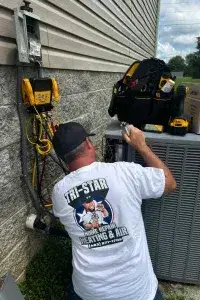
Understanding the installation process of heat pumps is paramount for homeowners looking to integrate this technology into their properties. The installation involves several key steps, ensuring that heat pumps function effectively and efficiently.
Proper installation is crucial for the longevity of the heat pump and ensures that it operates within its intended efficiency range.
The costs associated with installing a heat pump can vary widely based on several factors, including equipment choices and labor expenses. Here is a breakdown of common costs and installation steps involved:
| Component | Estimated Costs |
|---|---|
| Equipment Costs | $2,000 to $7,000 |
| Labor Costs | $500 to $2,000 |
| Total Installation Costs | $3,500 to $9,000 |
Understanding these costs helps homeowners budget appropriately and prepares them for the financial commitment associated with heat pump installation.
Air source heat pump installation follows a detailed process, beginning with an evaluation of heating requirements. The key steps in this process include:
By following these steps meticulously, homeowners can ensure their air source heat pumps perform effectively from the start.

Regular maintenance is essential in prolonging the life of heat pumps and ensuring they maintain high levels of efficiency. Following best practices can prevent costly repairs and unexpected breakdowns.
Implementing these practices leads to optimal performance and energy efficiency.
To maintain heat pumps effectively, homeowners should participate in proactive tasks that ensure long-term efficiency. Regular practices include:
These maintenance actions can greatly affect a heat pump’s efficiency and longevity.
Homeowners should adhere to a set schedule for essential maintenance tasks to keep their heat pumps operating efficiently, which includes:
Following these tasks diligently contributes significantly to optimal heat pump performance.
Understanding common heat pump issues and how to troubleshoot them can save time and costs for homeowners. Quick troubleshooting steps include:
These steps can assist homeowners in resolving minor issues before they become significant problems.
Efficiency ratings, such as SEER and HSPF, directly influence the energy savings potential of heat pumps. Understanding these ratings assists homeowners in making informed decisions about their heating options.
Choosing a heat pump with superior efficiency ratings leads to both environmental benefits and lower energy costs.
SEER ratings are critical in assessing heat pump efficiency. They help consumers understand the performance level they can expect:
Understanding SEER ratings empowers consumers to make informed choices regarding heat pump efficiency.
As the HVAC industry evolves, new technologies are enhancing heat pump efficiency. Some of these advancements include:
Staying abreast of these technological advancements can significantly impact energy savings and overall system efficiency.
For example, research is continuously exploring methods to enhance geothermal heat pump systems, as evidenced by a recent publication:
Geothermal Energy Development: Improving Heat Pump Energy Efficiency
In order to solve the problem that the cold/heat released from the underground pipe of coal mine into the soil layer is difficult to dissipate in a short time, the technology of enhancing the underground flow field of coal mine in geothermal energy development to improve the energy efficiency of the heat pump system is proposed. In this paper, based on the ground source heat pump project located in a coal mine, the energy efficiency enhancement technology of the artificial flow field ground source heat pump system is studied and tested. Enhancement technology of underground water flow field in coal mine to improve energy efficiency of heat pump system in geothermal energy development, 2023
Exploring financial options is crucial for homeowners planning heat pump installation. Several avenues are available to ease the financial burden:
Utilizing these financial options can make heat pump investments more accessible and practical.
Homeowners should investigate specific financing plans and incentives tailored to heat pump installations. Considerations include:
Taking advantage of these incentives can dramatically reduce the overall cost of implementing energy-efficient heating solutions.
Planning a budget for heat pump installation and maintenance is vital for homeowners. Key budgeting components include:
By accurately projecting both installation and ongoing maintenance costs, homeowners can be better prepared for their investment in heat pump technology.