

Energy efficiency is a critical consideration for homeowners and businesses in East Tennessee, where heating and cooling can account for nearly half of energy consumption. By upgrading to energy-efficient HVAC systems, residents can significantly reduce their energy bills while enhancing comfort and air quality. This article explores various energy-saving HVAC solutions, the benefits of upgrading, and how local expertise can guide homeowners in making informed decisions. We will also discuss available rebates and incentives that can help offset the costs of these upgrades, making energy efficiency more accessible.
Energy efficiency in HVAC systems is essential for reducing overall energy consumption and lowering utility bills. Heating and cooling systems are responsible for a substantial portion of energy use in homes and businesses, often accounting for nearly 50% of total energy consumption. By investing in energy-efficient systems, homeowners can reduce their energy consumption by up to 30%, leading to significant savings on monthly utility bills. Moreover, energy-efficient systems contribute to a healthier environment by decreasing greenhouse gas emissions, making them a responsible choice for both economic and ecological reasons.
Indeed, a comprehensive approach encompassing design, installation, smart technology, and maintenance is key to maximizing HVAC energy efficiency.
Best Practices for Improving HVAC System Energy Efficiency
This paper reviews the best practices that may improve energy efficiency of HVAC system and conceptualised them into four categories: HVAC system design; HVAC system installation; smart technologies for energy management and performance monitoring; and HVAC system maintenance. These best practices are crucial in enhancing the energy efficiency of HVAC systems in buildings.
Improving energy efficiency of HVAC systems in buildings: a review of best practices, 2022
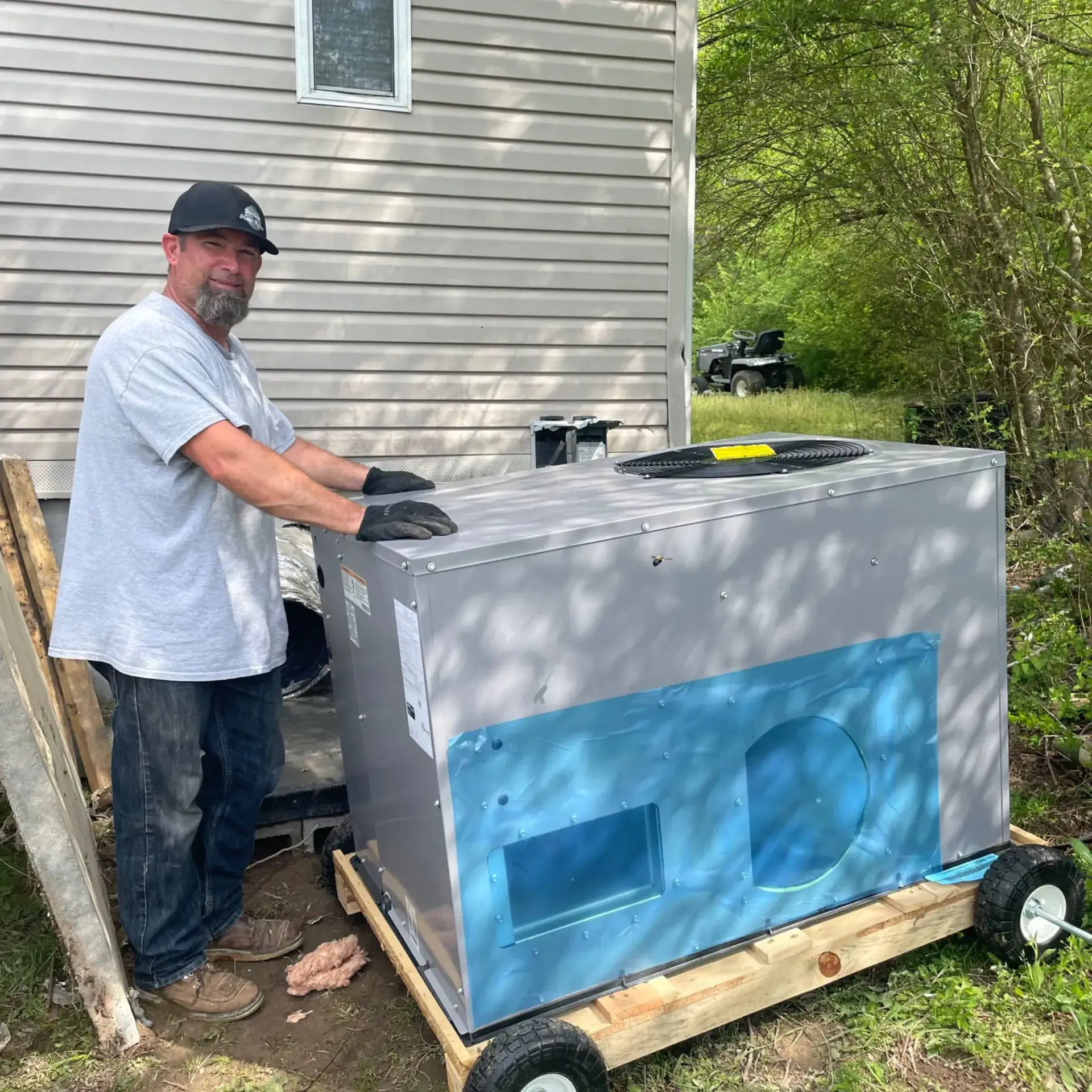
There are several types of energy-efficient HVAC systems available that cater to different needs and preferences. These include:
By understanding the various options available, homeowners can select the best systems to meet their specific needs.
Upgrading to energy-efficient HVAC systems offers numerous advantages, including:
For those considering an upgrade, Tri-Star Heating and Air offers expert installation and maintenance services to ensure optimal performance of new systems.
A proper home assessment is crucial for selecting the right HVAC system. Qualified technicians evaluate insulation, duct integrity, and overall system efficiency to recommend the best solutions. This assessment helps avoid common issues such as oversizing, which can lead to inefficiencies and increased energy costs. By ensuring that the chosen system is appropriately sized and installed, homeowners can maximize their energy savings and comfort.
Homeowners in East Tennessee may qualify for various rebates and incentives when upgrading to energy-efficient HVAC systems. These programs can significantly reduce the upfront costs associated with installation. For instance, ENERGY STAR®-certified systems often qualify for rebates, making them a financially attractive option.
Research further supports the effectiveness of rebate programs in encouraging the adoption of energy-efficient systems like heat pumps.
Residential Heat Pump Rebates: Boosting Energy Efficiency & Adoption
Electric heat pumps provide a feasible and energy-efficient way to replace fossil-fuel furnaces for space heating. Rebate and loan programs are the two most widely used incentives for residential heat pump installations in the U.S. This study compares the impacts of rebate and loan incentives on residential air-source heat pump adoption in North Carolina. First, our results show that the rebate program ($300–$450 per system) increases the adoption density by 13% in a year.
The effect of rebate and loan incentives on residential heat pump adoption: evidence from North Carolina, X Shen, 2022
Tri-Star Heating and Air can assist homeowners in navigating these rebate programs, ensuring they take full advantage of available incentives. Additionally, the company offers free estimates for HVAC services, helping clients understand the potential savings and benefits of upgrading their systems.
Several current HVAC rebates and incentives are available for homeowners looking to upgrade their systems:
These programs are designed to encourage energy efficiency and can significantly offset the costs of new installations.
To apply for energy-saving HVAC rebates, homeowners should:
By following these steps, homeowners can maximize their savings on energy-efficient upgrades.

Regular maintenance of HVAC systems is essential for ensuring their efficiency and longevity. Routine checks, including cleaning coils and checking refrigerant levels, help maintain optimal performance. Regular maintenance not only extends the life of the system but also prevents breakdowns that can lead to costly repairs. Homeowners should schedule maintenance at least once a year, ideally in the spring for cooling systems and in the fall for heating systems.
Integrating smart technology into HVAC systems can further enhance energy efficiency. Smart thermostats allow homeowners to control their heating and cooling remotely, optimizing energy use based on their schedules. Zoned systems enable better control of temperatures in different areas of the home, ensuring comfort while minimizing energy waste. These technologies represent a significant advancement in HVAC efficiency, making it easier for homeowners to manage their energy consumption.
Further research confirms that smart thermostat systems offer a cost-effective method for achieving significant heating energy savings in residential buildings.
Smart Thermostats: Cost-Effective Heating Energy Savings for Homes
We demonstrate that smart thermostat systems can be a low-cost measure to achieve heating energy savings in residential buildings. However, the impact of variables such as relative savings, building characteristics, and user behavior on the cost-effectiveness of smart thermostat systems is not yet fully understood, and data on realized heating energy savings is urgently needed.
Conditions for a cost-effective application of smart thermostat systems in residential buildings, 2020
Choosing a local HVAC service provider is crucial for ensuring that systems are tailored to the specific climate and needs of East Tennessee. Companies like Tri-Star Heating and Air offer valuable expertise in selecting and installing energy-efficient systems that perform well in the region’s unique climate conditions. Their knowledge of local building codes and energy efficiency programs can help homeowners make informed decisions that lead to long-term savings.
The best energy-efficient heating systems for East Tennessee homes include:
By selecting the right system, homeowners can ensure comfort while maximizing energy savings.
Heating systems that offer the highest energy savings in East Tennessee include:
These systems not only provide comfort but also contribute to significant energy savings over time.
East Tennessee’s climate, characterized by hot summers and mild winters, influences the choice of HVAC systems. Homeowners must consider systems that can efficiently handle both heating and cooling needs. Proper sizing is crucial to ensure that systems operate efficiently, avoiding the pitfalls of oversizing or undersizing that can lead to increased energy costs.
Regular HVAC maintenance plays a vital role in reducing energy costs. By ensuring that systems are clean and functioning optimally, homeowners can prevent energy waste and extend the life of their equipment. Regular maintenance checks can identify potential issues before they become costly repairs, ultimately leading to lower energy bills.
To maximize HVAC energy efficiency, homeowners should adopt the following maintenance practices:
HVAC systems should be serviced at least once a year to maintain optimal performance. Scheduling maintenance in the spring for cooling systems and in the fall for heating systems ensures that equipment is ready for the demands of each season. This proactive approach helps prevent breakdowns and maximizes energy efficiency.
Homeowners in East Tennessee have several energy-saving air conditioning options, including:
These options not only enhance comfort but also contribute to lower energy bills.
When selecting air conditioning units, homeowners should look for models with Seasonal Energy Efficiency Ratio (SEER) ratings of 16 or higher. These units are designed to provide maximum cooling efficiency while minimizing energy consumption. Additionally, integrating smart thermostats can further enhance the efficiency of air conditioning systems.
Energy-efficient air conditioning systems can lower energy use by up to 50%, significantly impacting monthly utility bills. Regular maintenance ensures that these systems operate at peak efficiency, further enhancing savings. Homeowners who invest in energy-efficient AC systems can expect substantial long-term savings on their energy costs.
HVAC rebate programs in Tennessee provide financial incentives for homeowners upgrading to energy-efficient systems. These programs can significantly reduce installation costs, making it more affordable for residents to invest in energy-saving technologies. By participating in these programs, homeowners can enjoy the benefits of modern HVAC systems while minimizing their financial burden.