

By Scott Tinkham, Tri-Star Heating & Air
Understanding how to troubleshoot common air conditioning (AC) problems can save homeowners both time and money. This guide provides valuable insights into typical issues faced by AC systems and offers step-by-step troubleshooting steps. Many homeowners often wonder why their AC units fail to cool properly or exhibit strange noises. By learning effective troubleshooting techniques, you can identify possible issues before calling a technician, potentially saving on costly repairs. This article will explore various AC problems, diagnostic tips, and when it’s best to seek professional assistance.
Air conditioning systems, particularly in warmer climates, play a crucial role in maintaining comfort within a home. However, homeowners may encounter issues that impede the effective operation of their units. Understanding the basic components of an AC system and common malfunctions is essential for timely troubleshooting. Knowing when to act can directly influence the longevity and efficiency of your system.
This section highlights the most frequent AC problems homeowners experience and the corresponding troubleshooting methods.
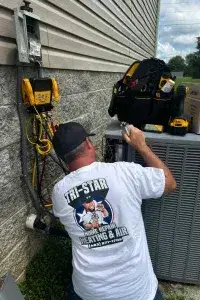
The absence of airflow can significantly affect your AC’s efficiency. Homeowners should first check the air filters, as clogged filters can restrict airflow. Additionally, inspecting for obstructions in the ductwork can help identify if anything is blocking the air passage. If both the filters and ducts are clear but airflow is still absent, the issue may lie within the blower motor or a malfunctioning compressor.
If the AC is running but not cooling efficiently, homeowners should begin by inspecting the thermostat settings to ensure they are set to the desired temperature. Checking the refrigerant levels is also critical; insufficient refrigerant can hinder cooling. If these steps do not resolve the issue, it may indicate a refrigerant leak or a faulty compressor, which requires professional attention.
When an AC unit blows warm air, verifying the thermostat’s mode is the first step. Ensure it is set to “cool” and not “heat.” If this is accurate, the next step involves checking for refrigerant leaks, as low refrigerant can prevent the system from cooling properly. Homeowners should also examine the condenser unit outside to ensure it is clear of debris.
A frozen evaporator coil can lead to inadequate cooling and airflow issues. Homeowners should check for airflow restrictions, such as clogged filters or dirty coils. Ensuring that the refrigerant level is sufficient is also crucial, as low refrigerant can cause coils to freeze. Once the source of the freezing is addressed, allow the coils to thaw before operating the AC again.
AC units can produce condensation, which can lead to water leaks if drainage systems are clogged. Homeowners should inspect the drainage lines and ensure they are clear. Clogged drain lines can often be resolved through regular maintenance, which is essential to prevent larger issues that may require professional intervention.
Weak airflow may result from dirty filters or blocked ducts. Homeowners should replace or clean filters regularly and check for any obstructions in the duct system. Addressing these areas can enhance airflow significantly. Regular maintenance ensures the system runs efficiently and reduces long-term repair costs.
If the AC system fails to turn on, homeowners should first inspect the thermostat and ensure it is functioning correctly. Checking circuit breakers is also important; tripped breakers can disable the system. If the problem persists, there may be an issue with the electrical components, which necessitates professional investigation.
Unusual noises from the AC unit can indicate mechanical issues. Identifying the type of noise is crucial; for example, rattling sounds may signal loose components, while grinding noises could suggest motor problems. Addressing these issues early can prevent costly repairs down the line.
While basic troubleshooting can resolve many common issues, knowing when to call a technician is essential. Homeowners should seek professional help if they encounter refrigerant leaks, persistent issues despite troubleshooting efforts, or complex electrical problems. Additionally, during extreme weather, prompt professional service is crucial to restore comfort and system functionality.
To find qualified local HVAC technicians, homeowners can search online directories or use recommendations from friends or family. Contacting multiple technicians for quotes and service descriptions can also help choose a reliable technician.
Before your maintenance appointment, it can be beneficial to compile a list of issues observed along with dates they occurred. This information can assist the technician in diagnosing potential issues more efficiently. Ensuring accessibility to the AC unit for the technician can also streamline the appointment process.
When AC units are not cooling effectively, it can stem from various issues, including improper thermostat settings, insufficient refrigerant levels, or mechanical failures. Prompt diagnosis and action can prevent more extensive repairs later, enhancing system longevity and efficiency.
Several factors contribute to cooling failure. Common causes include:
Ensuring regular maintenance can help eliminate many of these issues before they require costly repairs.
Identifying refrigerant leaks typically involves visually inspecting the outdoor unit and checking for ice buildup on the evaporator coil. For thermostat issues, homeowner checks should include recalibrating the device or replacing batteries if necessary. Early detection of these issues can prevent system failures.
Effective troubleshooting involves a systematic approach, including:
These steps can provide a framework for effective AC troubleshooting.
Understanding how systematic approaches to troubleshooting can improve AC efficiency is further supported by research into automated fault detection systems.
Residential AC Fault Detection & Diagnostics Market Analysis
ABSTRACT: This report provides an overview of the market potential for automated fault detection and diagnostics (AFDD) in the residential sector, focusing on embedded AFDD in central air conditioners (CAC) and air-source heat pumps (ASHP) as well as the use of smart diagnostic tools to ensure quality installation of CAC/ASHP equipment. The contents include background on AFDD, stakeholder engagement efforts, a technology assessment of AFDD and smart diagnostic tools, residential CAC and ASHP market trends, a characterization of the CAC and ASHP installed base, a synopsis of utility provider programs, and market barriers.
Automatic Fault Detection & Diagnostics: Residential Market Analysis, CA Antonopoulos, 2020
Homeowners can adopt the following troubleshooting strategies:
These steps should help identify and resolve many common AC problems.
Essential tools homeowners can use to check their AC units include:
Regular visual checks should include:
Regular use of these tools can help identify faults before they become severe.
If the AC system requires multiple attempts to diagnose or repair, it’s time to call a professional. Additionally, any situation involving electrical repairs, low refrigerant, or significant mechanical failures should always be handled by a qualified technician due to safety concerns.
Signs that warrant emergency repairs include:
Immediate attention can prevent further damage and keep your home comfortable.
Determining whether to fix an issue yourself or call a professional depends on multiple factors. Homeowners should consider the complexity of the problem, personal experience with HVAC systems, and potential safety hazards before making a decision.
AC repair costs can vary based on the size and type of system, the complexity of the repairs, and regional pricing differences. The average cost typically ranges from $75 to $500 for minor repairs, while major system replacements can exceed $5,000. Understanding potential financing options can ease the burden of unexpected repair costs.
Several factors can influence AC repair costs, including:
Understanding these aspects can help homeowners budget effectively for maintenance and repairs.
Many HVAC service providers offer financing options to assist homeowners in managing repair expenses. Customer-centered plans may include flexible payment schedules and low-interest rates, making it easier to afford necessary repairs without compromising on quality service.